Last updated on October 21st, 2021 at 08:53 pm
Generations of Computers
Generations of Computers – Computer Generations Project
First Generation of Computer

Time period – 1946-1958
main components used – vacuum tubes
physical size of computer. Very big, occupied several floors in building and weight more than 25 tons.
Mention other components used for memory, input and output device. – punched cards and paper tape for inputs and outputs.
Efficiency – speed – 10,000 instructions per second.
Commercially available or not. Not available
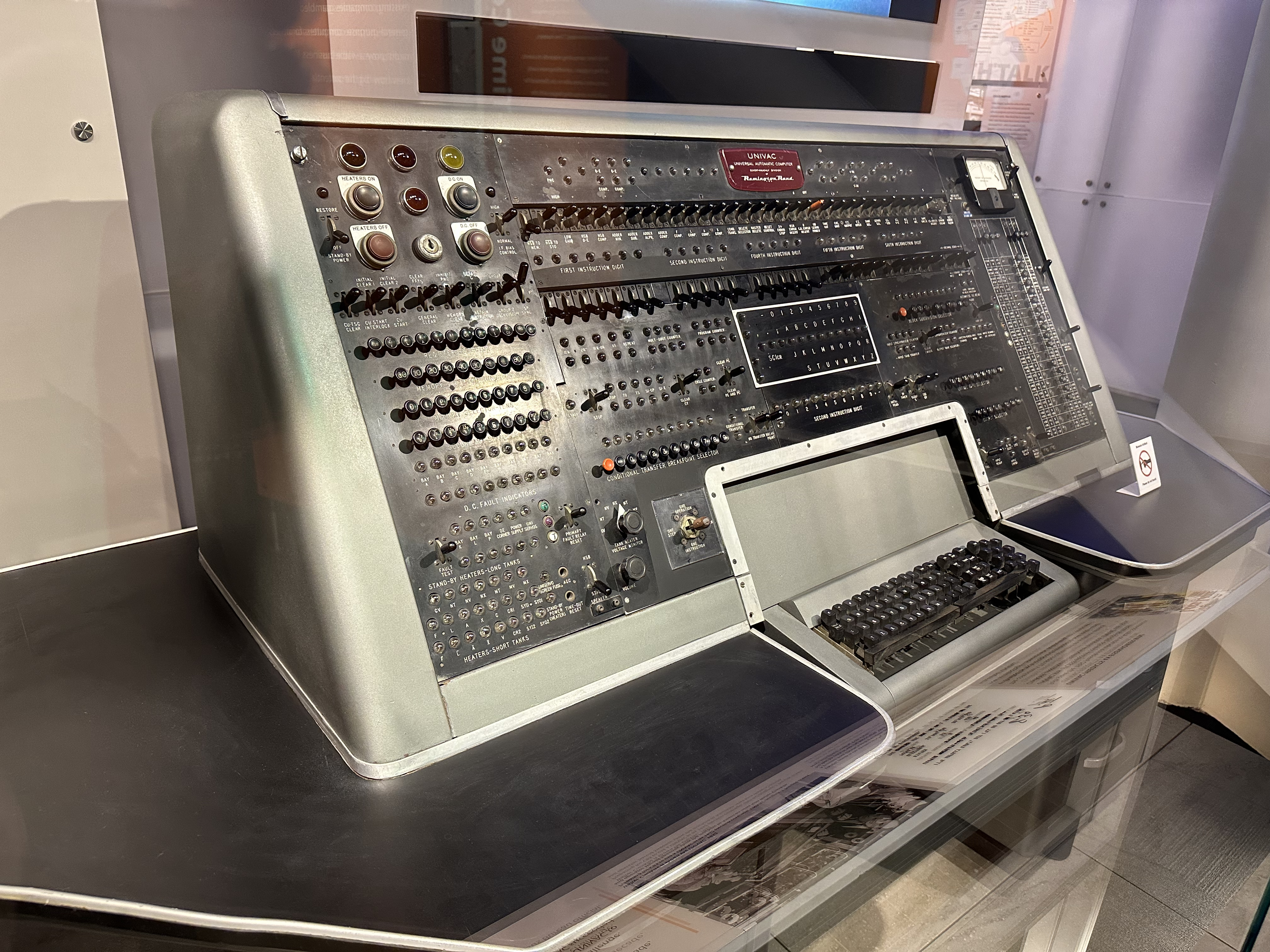
Example of computers (with its picture) belonging to that generation.
ENIAC , EDSAC , EDVAC , UNIVAC
Second Generation of Computer
Time period – 1958 – 1964
Main components used – transistors
Physical size of computer. – smaller than first genaration ,can fit inside a room.
Mention other components used for memory, input and output device. – punched cards paper tapes for inputs and printer for outputs. Magnetic drums for storage.
Efficiency – more efficient then first generation.
Speed – 30,000 instructions per second.
Commercially available or not. No [ production was costly and difficult]
Example of computers (with its picture) belonging to that generation.
IBM 1400
Third Generation of Computer
Time period – 1965-1970
Main components used – integrated circuits [ic’s]
Physical size of computer. – smaller than earlier generations, fit on a table or desk.
Mention other components used for memory, input and output device.
Keyboards for input and printers for output.
Efficiency – more efficient than earlier generations.
Speed – 5 million instructions per second.
Commercially available or not. No
Example of computers (with its picture) belonging to that generation.
PDP8 , IBM 360 , IBM 370
Fourth Generation of Computer
Time period- 1971 – till date
Main components used – microprocessors [vlsi technology]
Physical size of computer. – smaller than earlier generations
Mention other components used for memory, input and output device. – keyboard mouse as input device and monitor printer as output device.
Efficiency – more efficient than earlier generations.
Speed – Pico seconds is the processing speed of fourth generation computers.
Commercially available or not. Yes
Example of computers (with its picture) belonging to that generation.
XEROX ALTO & IBM 5100

.jpg)
